Secure Identity Activation, Beyond the Counter
Before a digital identity can be used, it has to be reliably linked to the right person. That step will not always require a trip to an office.
You already have a national identity and a card that proves it. Before you can use that identity digitally, there's one step: confirming that it's really you asking.
TRIDENT is designed so that step can happen remotely, with assistance, or at a counter, applying the same standard of confidence in each case rather than lowering the bar for convenience.
The channel changes. What has to be proven does not.
What activation actually establishes
Your identity already exists. You are registered in the National Register and you hold a TRIDENT ID Card. Activation is the step that opens the digital forms of that same identity: an online account, and a mobile representation on your phone.
This is different from signing up for a service, where an identity is created out of whatever someone types in. Here nothing is being invented. The identity is already established, and activation confirms that the person asking to use it digitally is the person it belongs to.
Everything afterwards depends on that link being sound. A sign-in, a signature, a credential: all of it rests on it.
Several checks, working together
A remote activation isn't a single test. It's a set of checks, each answering a different question, and each strengthening the others.
Three of them you'll notice.
- The details from your identity document are captured and checked against the official record held in the National Register.
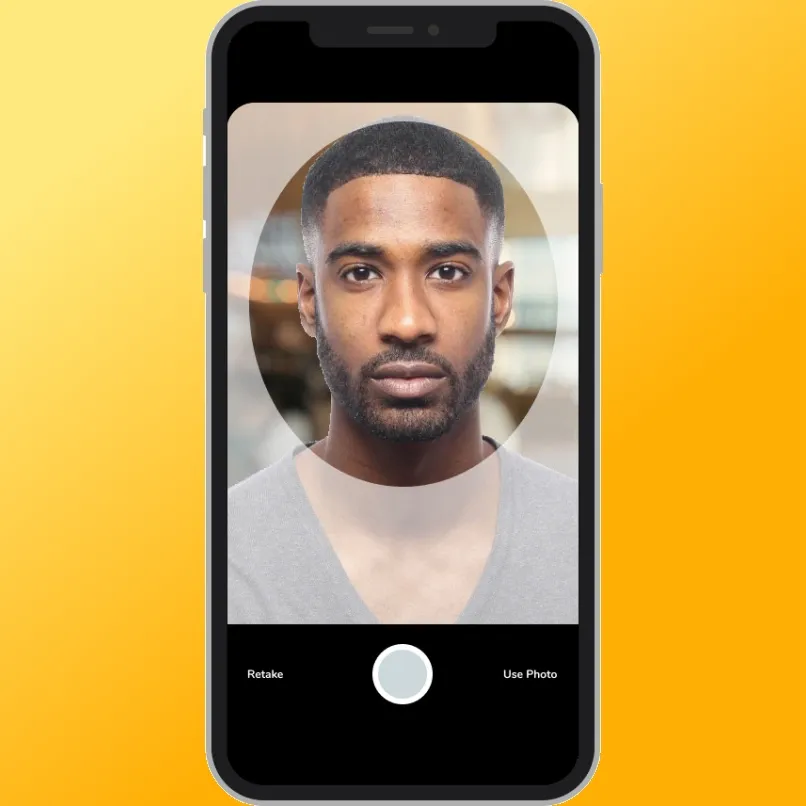
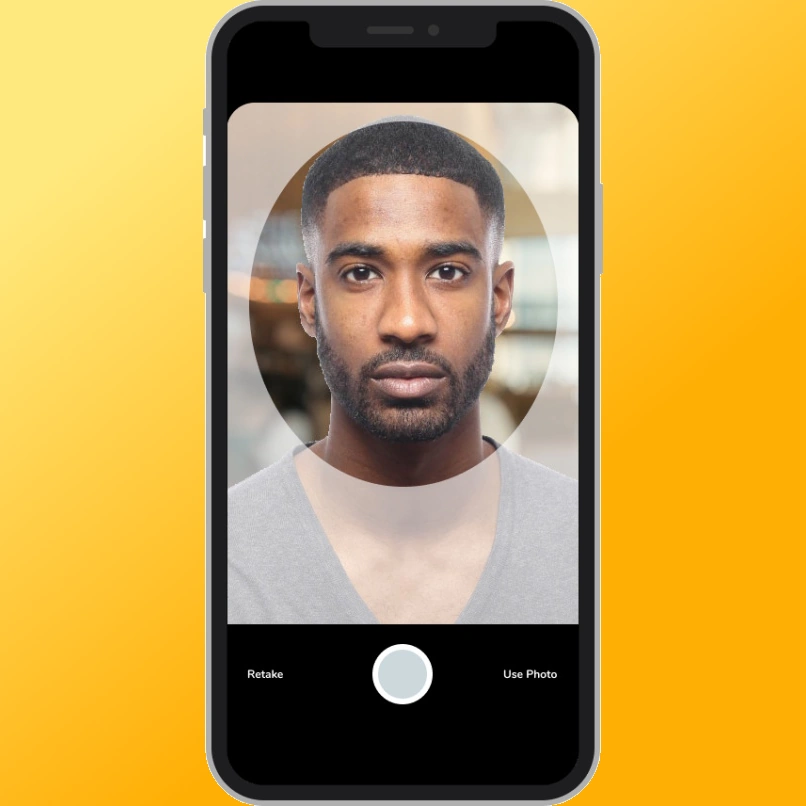
- A check confirms that a real, living person is present and taking part in the process at that moment.
- Your face is compared with the photograph on record from when your TRIDENT ID Card was issued, to confirm that the person completing the process is the person the record describes.
Others run alongside without needing anything from you: confirming the security features of the document itself, assessing whether each capture is clear enough to be relied on, and watching the process for patterns that don't belong in a genuine activation.
The full set isn't published, and that's deliberate. Describing precisely what is examined, and how, would mainly be useful to someone trying to work around it.
What happens with your photograph
The photograph used for comparison is the same one used to issue your TRIDENT ID Card. It's already held in the National Register, and it's the reference the check works from.
So nothing new is being gathered about your appearance. The step confirms that the person completing the activation is the person in the photograph already on record for you.
The images captured during the process are only used for that check and that purpose. They are not a general facial database, and they aren't available for other services to search.
Identity shouldn't depend on where you live
Requiring an office visit sounds neutral until you consider who it excludes: people far from a registration point, people without easy transport, people whose working hours don't match opening hours, people for whom travelling is difficult.
Remote activation removes distance as a barrier to holding a digital identity. That's not a convenience feature. It's what makes the identity genuinely national.
Remote is an option, not a requirement
If a step needs to be repeated, it can be. And if someone would rather complete the process with help, assisted and in-person activation remain available.
Which channel is appropriate for which situation is set by Government policy, and higher-assurance processes can require additional verification.
If you don't yet hold a TRIDENT ID Card, that comes first. The Electoral and Boundaries Commission can help you with it.
What can you do once your identity is active?
The article Expanding the TRIDENT ID Experience sets out the ways the same identity can be used.