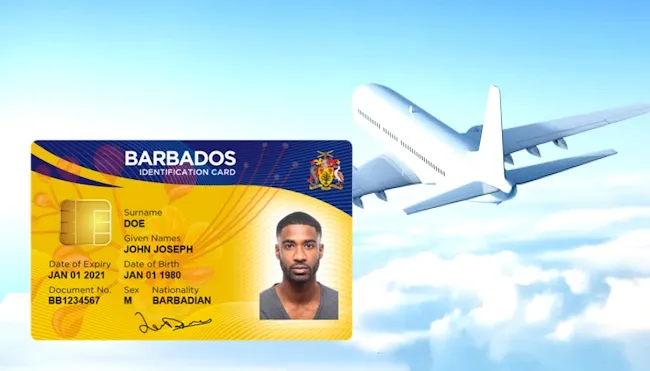
Travelling Between Barbados and Guyana with Your TRIDENT ID Card
Since 1 July, eligible citizens can travel between the two countries using their national ID card, a practical example of what a trusted national identity makes possible.
On 1 July 2026, the TRIDENT ID Card became a travel document.
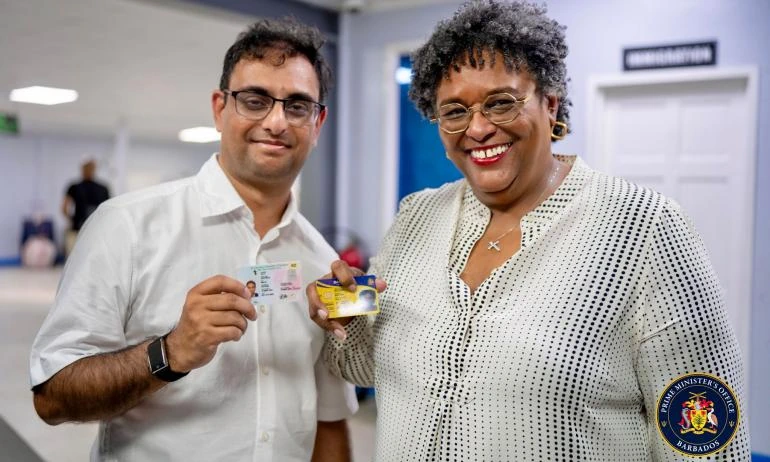
Eligible citizens of Barbados and Guyana can now travel between the two countries using their national ID card. For a family visit, a short business trip or a holiday, the card in your wallet is accepted at immigration.
On the Barbados side, the arrangement applies to adult citizens holding a valid TRIDENT ID Card, issued by the Electoral and Boundaries Commission and accepted by immigration authorities. Full conditions are published by the Barbados Immigration Department.
Why a card can replace a passport
A country accepts another country's ID card at its border only when it can confirm the card is genuine and trust how it was issued. That trust isn't automatic. It has to be built.
The TRIDENT ID Card meets the international standards set by ICAO, the body that defines the rules for passports and travel documents worldwide. Like a passport, it carries security features immigration officers can verify. Recognised standards, plus verifiable security, are what made this arrangement possible.
That choice runs through the whole TRIDENT programme. Every part of it, from the card to online authentication, digital signatures and mobile credentials, is built on standards published by international bodies rather than on one supplier's design.
The reason is practical. A standard is a shared language. Barbados can decide who it trusts and under what conditions, while still being understood by systems built elsewhere. Without that, every new arrangement would start from nothing, and this one would have taken years instead of weeks.
Why the work behind the card matters
This is a practical example of something easy to overlook: a national identity document is only as useful as the confidence others place in it.
Strengthening how the TRIDENT ID Card is produced and protected, which is what the programme now underway is doing, keeps that confidence in place. Not only at home, where the card opens access to services, but wherever Barbados asks another country to recognise it.
A step toward free movement across CARICOM
The arrangement supports free movement under the Revised Treaty of Chaguaramas, and both countries have encouraged other CARICOM member states to join.
Arrangements like this depend on each country trusting how the others issue and protect identity documents. As more of that groundwork is completed across the region, the same principle can extend further.
What else is changing with the TRIDENT ID Card?
The article Expanding the TRIDENT ID Experience explains how the identity Barbadians already carry is gaining new ways to be used.