
EBC: Advancing Barbados’ National Identity System
The Electoral and Boundaries Commission is strengthening the TRIDENT ID Card and the systems behind it, extending the identity Barbadians already hold into new secure channels.
Most Barbadians already have a TRIDENT ID Card. It's the document you show to prove who you are, and it's issued by the Electoral and Boundaries Commission.
That card isn't being replaced. It's being strengthened, and it's gaining company.
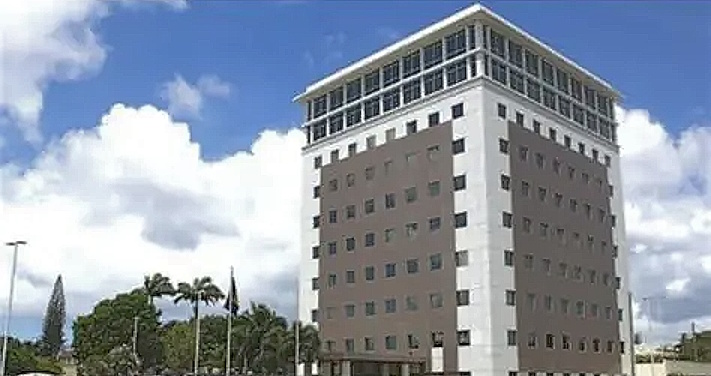
The institution behind national identity
Under the Barbados Identity Management Act, 2021, the EBC is responsible for establishing and maintaining the National Register, the country's official record of identity. The Act describes more than a card. It covers the register itself, national identity credentials, and the processes and technology needed to confirm that someone is who they say they are.
That matters for how TRIDENT is built. TRIDENT doesn't create a second identity system alongside the EBC. It extends the one the law already describes into new channels.
What card modernisation actually changes
The law already requires the national ID card to carry a digital chip. The Card Modernization Project strengthens both the card and everything standing behind it. Three things are getting stronger at once: how the card is produced, how it's protected, and how reliably the systems behind it run. The cryptographic material that makes every card verifiable is held in sealed devices in Barbados, inside Government controlled facilities, with backup systems so a single failure doesn't take identity services offline.
A card services can actually use
A chip is only useful if organisations can read it. Modernisation includes the tools to make that possible: software libraries and integration support so that an authorised office, agency or business can read verified details directly from the card, with the cardholder present and giving consent.
In practice, that changes a familiar moment. Instead of handing over your card to be photocopied and having your details typed in by hand, you present the card, approve what's being shared, and the details arrive already verified. Fewer forms, fewer typing errors, and no photocopy sitting in a drawer.
One identity, more ways to use it
The physical card remains a core part of national identity. Alongside it, the same identity can now be used to sign in to online services, approve requests from a phone, and hold digital credentials.
These work together rather than replacing each other. Nothing about the new channels removes the option of walking into an office with your card.
Built for how people actually live
Not everyone has the same phone, the same internet connection, or the same comfort with technology. Someone who prefers a service counter should be able to keep using one. Someone who wants to handle everything from a phone should be able to do that too. Both are using the same trusted identity, through the door that suits them.
A foundation other institutions can use
Ministries, agencies and authorised organisations can connect to TRIDENT to confirm identity, check information they're authorised to see, or validate a credential, without building a separate identity system for each service.
The EBC remains responsible for the National Register. Other institutions remain responsible for the records under their own mandates. TRIDENT is the layer that connects them securely, which is also how new credentials can be added over time, such as a digital driving licence from one agency or a health credential from another, each still resting on the same trusted foundation.
Want to know more about the new ways to use your identity?
The article Expanding the TRIDENT ID Experience explains the online, mobile and wallet options in more detail.