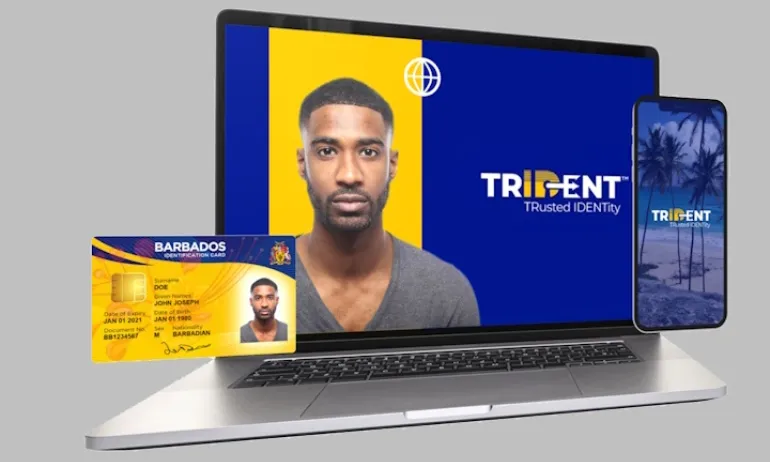
Expanding the TRIDENT ID Experience
The identity Barbadians already carry is gaining new ways to be used, and becoming a foundation Government and organisations can build on.
National Programme

The identity Barbadians already carry is gaining new ways to be used, and becoming a foundation Government and organisations can build on.
Information doesn't need to be copied everywhere to be useful. It needs to be confirmed by a trusted source, with your agreement, and only for the purpose you approved.
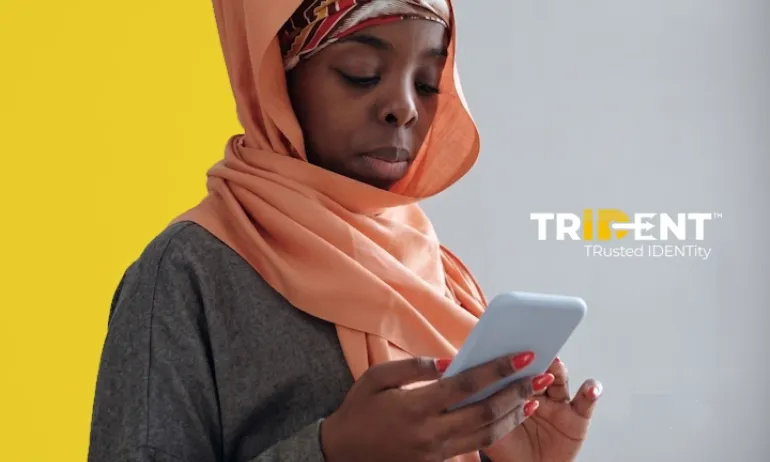
TRIDENT brings secure authentication and trusted digital credentials to the smartphone, giving citizens new ways to access services and prove what they need.

Every TRIDENT interaction, from signing in to sharing information, is backed by serious security infrastructure. Here's a simple look at how it works and why it keeps your identity safe.
Control over your identity depends on being able to see it. TRIDENT gives citizens their own place to review what they hold, what is enabled, and how it has been used.

Protection should match what is at stake. TRIDENT applies stronger checks where an action warrants them, and stays out of the way where it does not.
TRIDENT creates the foundations for Barbados to recognise trusted digital credentials and evidence from other jurisdictions through controlled future interoperability.

Since 1 July, eligible citizens can travel between the two countries using their national ID card, a practical example of what a trusted national identity makes possible.

The Electoral and Boundaries Commission is strengthening the TRIDENT ID Card and the systems behind it, extending the identity Barbadians already hold into new secure channels.

Today the card is something people look at. Modernisation will make it something systems can verify, with your consent, turning a trusted document into a working part of digital services.
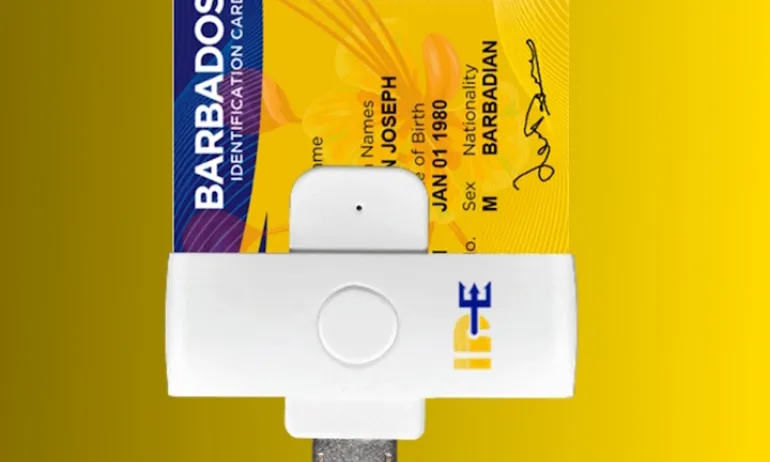
TRIDENT provides a set of reusable identity capabilities rather than a single prescribed journey. Each service uses only the pieces it needs.

Knowing who is logged in is not the same as having proof they agreed to something. TRIDENT will let citizens sign documents remotely, with evidence that holds up afterwards.
Before a digital identity can be used, it has to be reliably linked to the right person. That step will not always require a trip to an office.

Behind every simple TRIDENT interaction is a national trust infrastructure designed to protect identity, credentials and high-value digital transactions.

Government entities and participating organisations can use TRIDENT APIs, guidance and integration resources to bring trusted identity into their own services.

Government agencies and approved organisations can now explore TRIDENT APIs and build integrations in a controlled environment, ahead of formal approval for production.

Ministries, departments and agencies will be able to build on shared identity capabilities instead of creating their own, keeping full control of their services, decisions and data.
Five everyday situations, and what changes in each when identity can be confirmed instead of documented.

TRIDENT opens shared identity capabilities to authorised organisations, creating new opportunities for trusted identity verification, access and digital journeys.

Every service having its own way of knowing who you are is a cost you pay repeatedly. One identity that works across services changes that arithmetic.